Septic Rules in Charlotte, Fort Mill, and York County: What's Actually Required
September 25, 2026
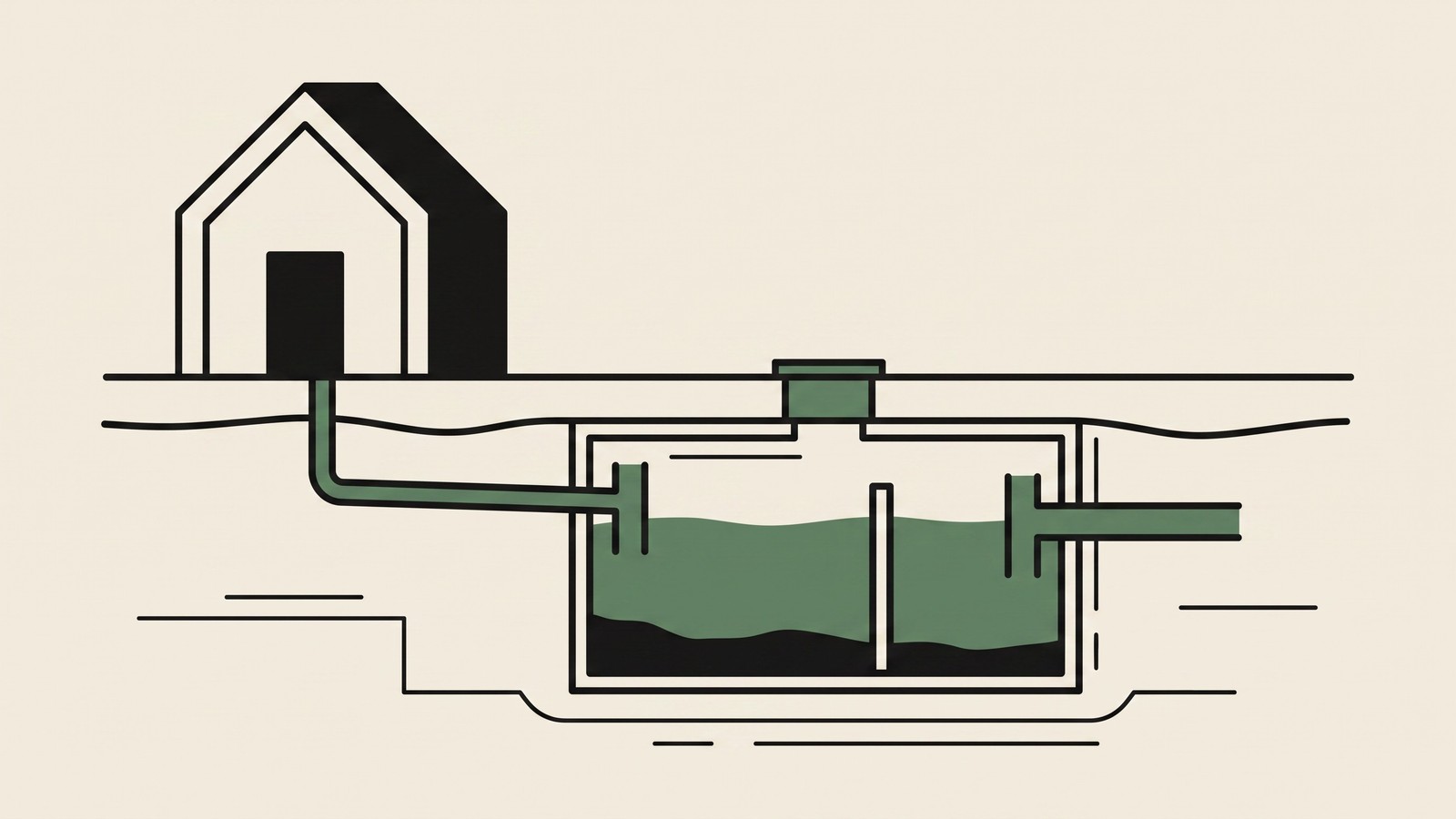
If you own a home on a septic system anywhere between Steele Creek and Fort Mill, you're dealing with two different state systems depending on which side of the state line you're on. Mecklenburg County follows North Carolina rules. York County follows South Carolina's. They're not the same, and mixing them up is how homeowners end up confused about who to call.
Who Actually Issues Your Permit
In Mecklenburg County, an Environmental Health Specialist is responsible for issuing improvement permits for private wastewater systems installed in Mecklenburg County. That covers Charlotte, Steele Creek, Matthews, and everywhere else in the county still on septic instead of city sewer. The permit approvals are very site specific, based on the information contained and given in the original permit application.
York County works differently. If you're in Fort Mill, Lake Wylie, or Rock Hill and need a septic permit, the county government itself isn't who you call. York County does not issue or approve private septic tank permits for private dwellings, and for septic tank permits you have to contact SCDHEC. That's South Carolina's state environmental agency, not the county building department. A lot of homeowners waste a week calling the wrong office before someone points them to DHEC.
NC Just Rewrote Its Septic Code
This is worth knowing if you're anywhere in Mecklenburg or Union County: North Carolina's septic rules were overhauled in 2024, the biggest change in 34 years. The state now runs three pathways for getting a septic system permitted: Public, Private (through an Authorized On-Site Wastewater Evaluator, or AOWE), and Engineered. For new construction or a full system replacement in Charlotte, Waxhaw, or Indian Trail, which pathway your installer uses affects both cost and how long you wait on approval.
The update also cleaned up rules around advanced treatment systems. NC now provides clearer regulatory pathways for advanced treatment technologies, where the old rules made approval slow and inconsistent between counties, and the 2024 code creates more standardized procedures for evaluating and approving these technologies. If your lot has poor drainage and needs an aerobic treatment unit or a drip dispersal system instead of a standard drainfield, that matters.
How Often Should a Septic Tank Be Pumped in Charlotte NC?
There's no single state-mandated number. NC law doesn't specify an exact pumping schedule, but it does require that your system function as designed. In practice, that usually works out to regular pumping every 3 to 5 years for most households, keeping the effluent filter clean, and not doing anything that damages system components. A household of five running a garbage disposal every night in a Ballantyne subdivision will need pumping sooner than a couple in a Concord farmhouse with a 1,500-gallon tank. A system that's overdue for pumping and starts backing up or surfacing effluent is a violation, so waiting until you smell trouble in the yard isn't a great strategy.
If you've got a Type V or Type VI system (advanced treatment, pumps, drip dispersal), the clock works differently. Your Operation Permit expires every 60 months, and you're responsible for renewing it before it lapses. That renewal isn't a formality, it requires an actual inspection.
Point-of-Sale Inspections: Who's Allowed to Do Them
Selling a house in Mint Hill or buying one in Mooresville? Your general home inspector cannot sign off on the septic system. NC requires NCOWCICB-certified inspectors for point-of-sale septic inspections. A general home inspector can note visible concerns during their walkthrough, but the official septic inspection must be performed by a separately certified specialist. Skip this step and you're buying a system with no real idea what's underground.
The Clay Soil Problem Nobody Mentions at Closing
Here's the part that's specific to this region and doesn't show up in generic septic articles. Much of the Charlotte metro, including Mecklenburg and York County, sits on Piedmont clay. Group IV soils, the dense red clays common in the Piedmont, typically require engineered alternatives rather than a standard gravity-fed drainfield. That's why a system that works fine on sandy soil near the coast can fail or need a pump-assisted design on a lot in Waxhaw or Monroe. If you're buying land or replacing a failed system anywhere in this service area, ask directly what soil group your site tested at. It changes both the design and the price tag.
Easywater Septic is opening soon to serve Charlotte, Steele Creek, Lake Wylie, Fort Mill, Rock Hill, Waxhaw, Matthews, Gastonia, Concord, Monroe, Mooresville, and Indian Trail, pumping, cleaning, and inspecting systems on both sides of the state line. If you're not sure what permit history exists on your property or when your tank was last pumped, that's exactly the kind of question worth answering before it becomes an expensive surprise.
Working with us is easy.
Book online in under a minute, or give us a call and we'll take it from there. No hassle, no hard sell, just straightforward septic service across the Charlotte metro.
Book online · (917) 653-2562